Every week you see another photographer bragging on their website about their “professional studio,” shooting on the latest mirrorless camera, and claiming you need a “prime lens” so your photos can be blown up to poster size. It sounds impressive to someone who doesn’t shoot for a living—until you actually look at their setup and their photos.
Take a closer look at those promo pages and the contradictions jump right out:
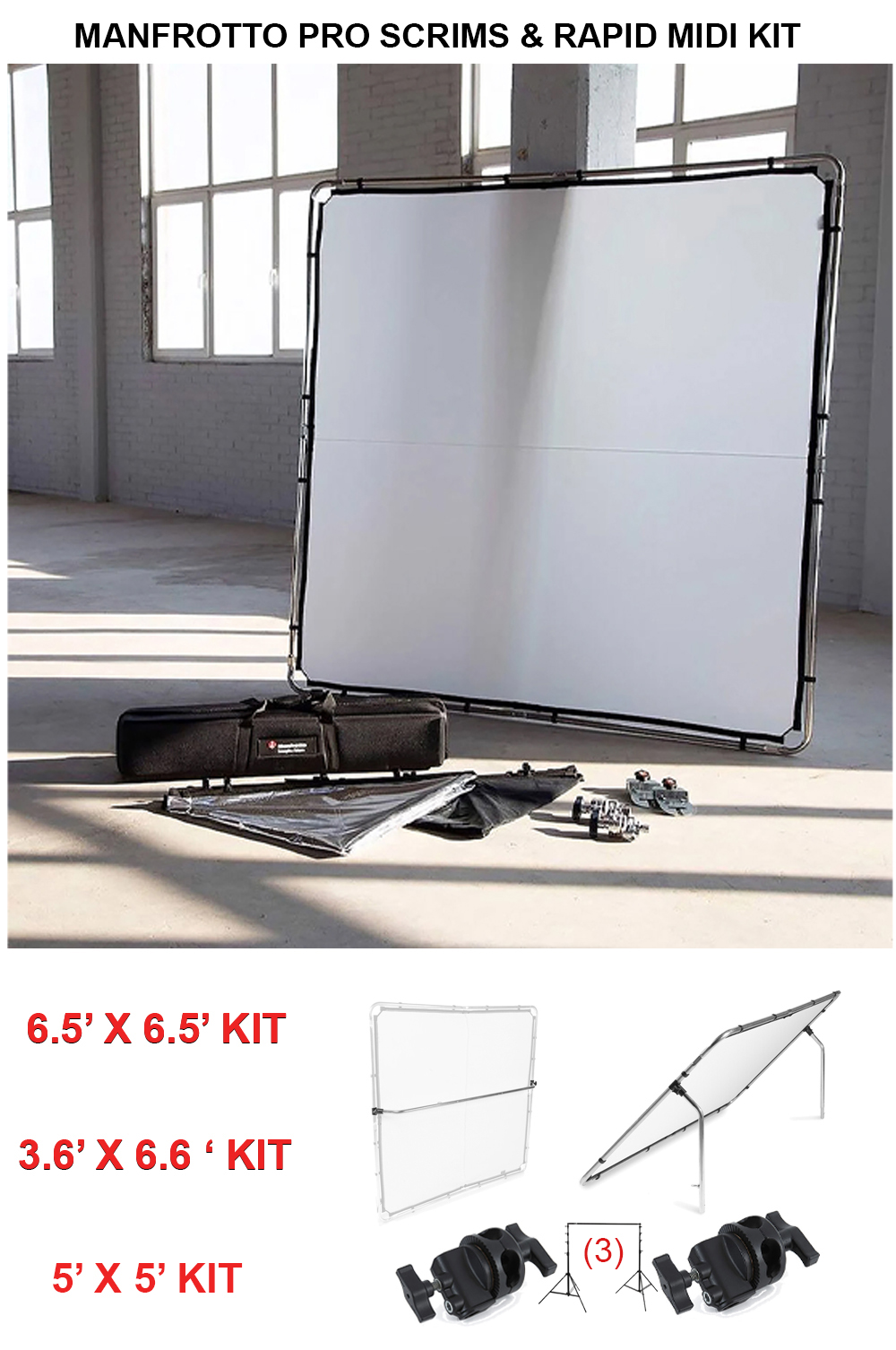
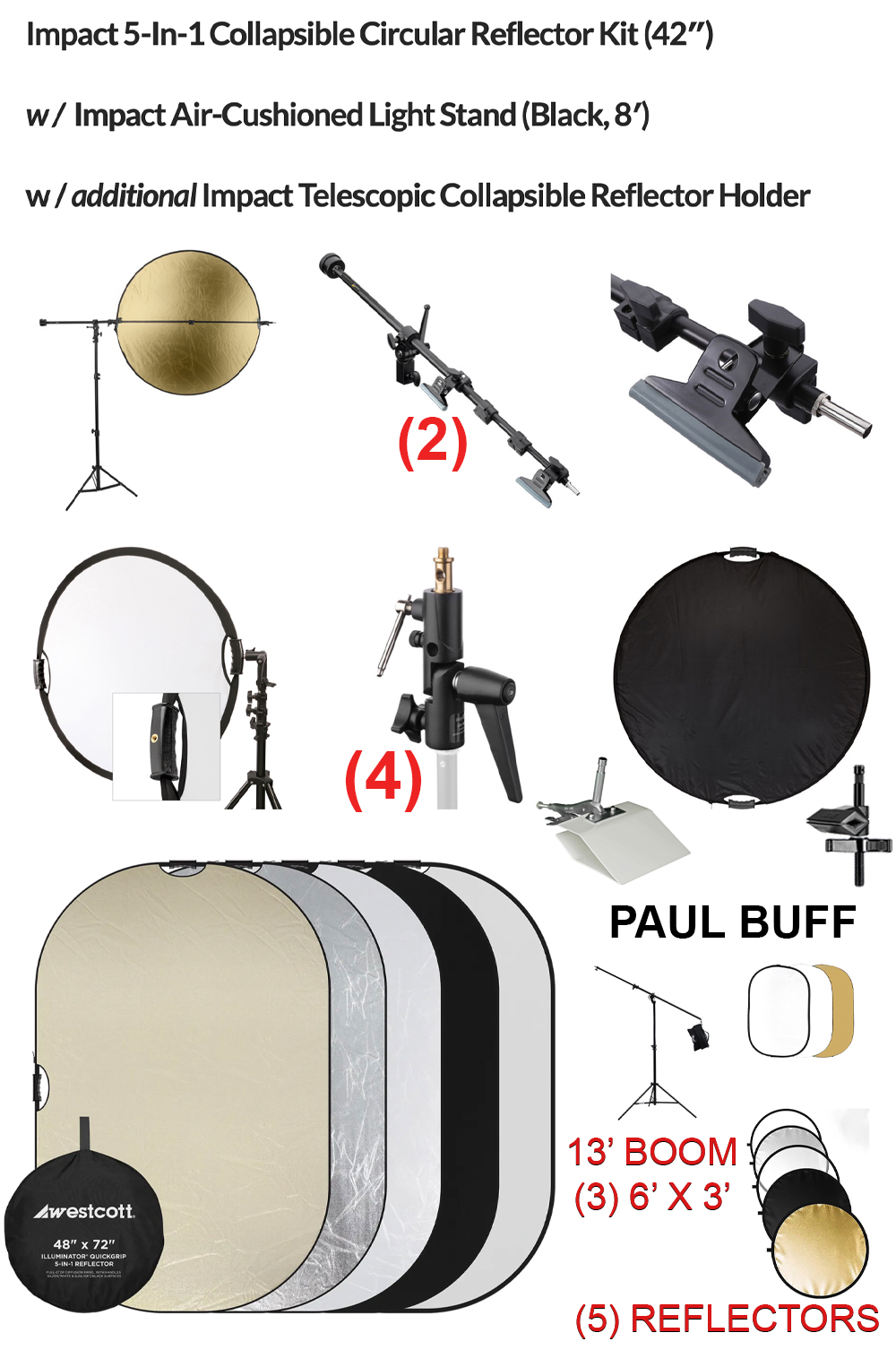
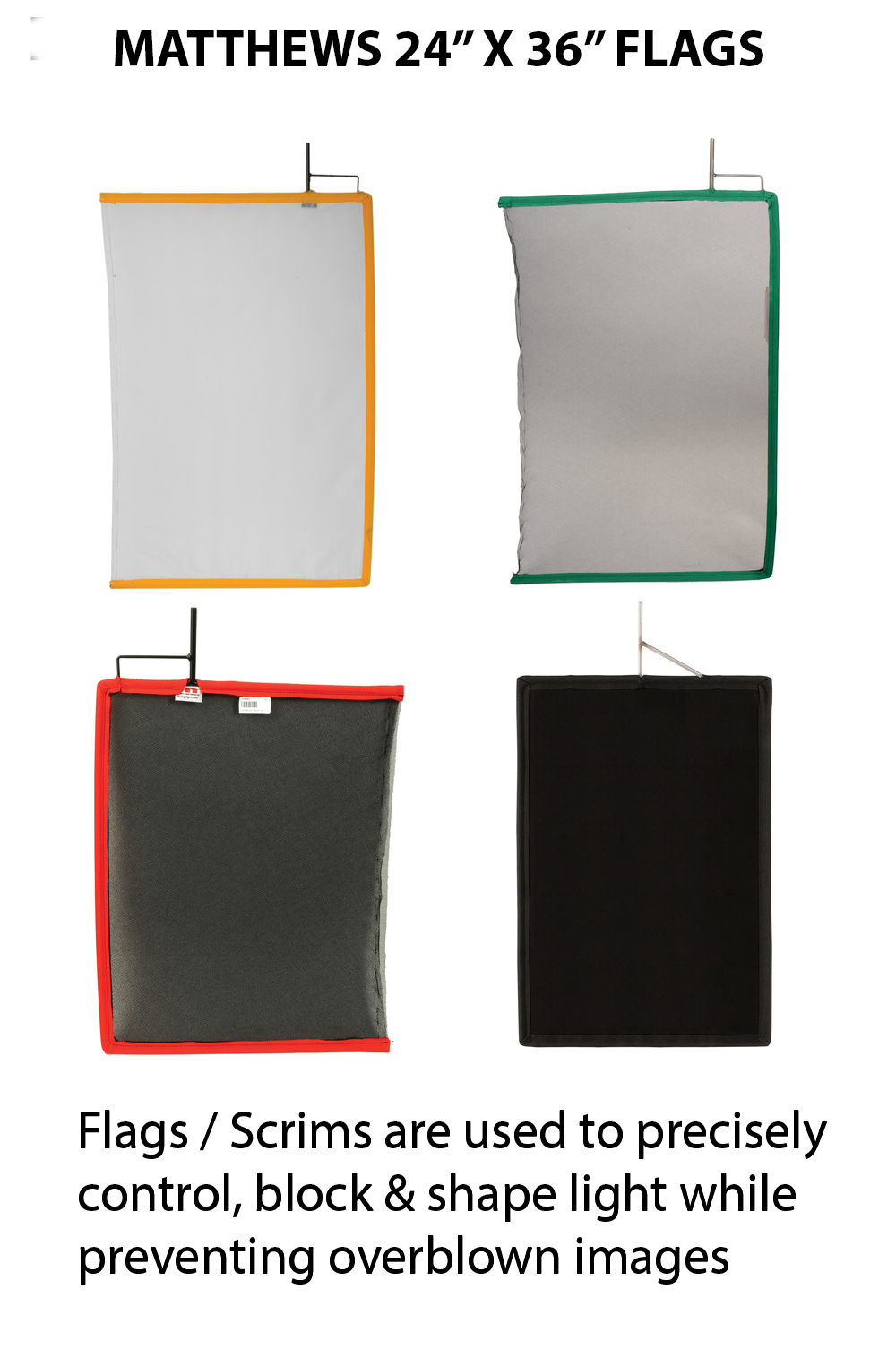
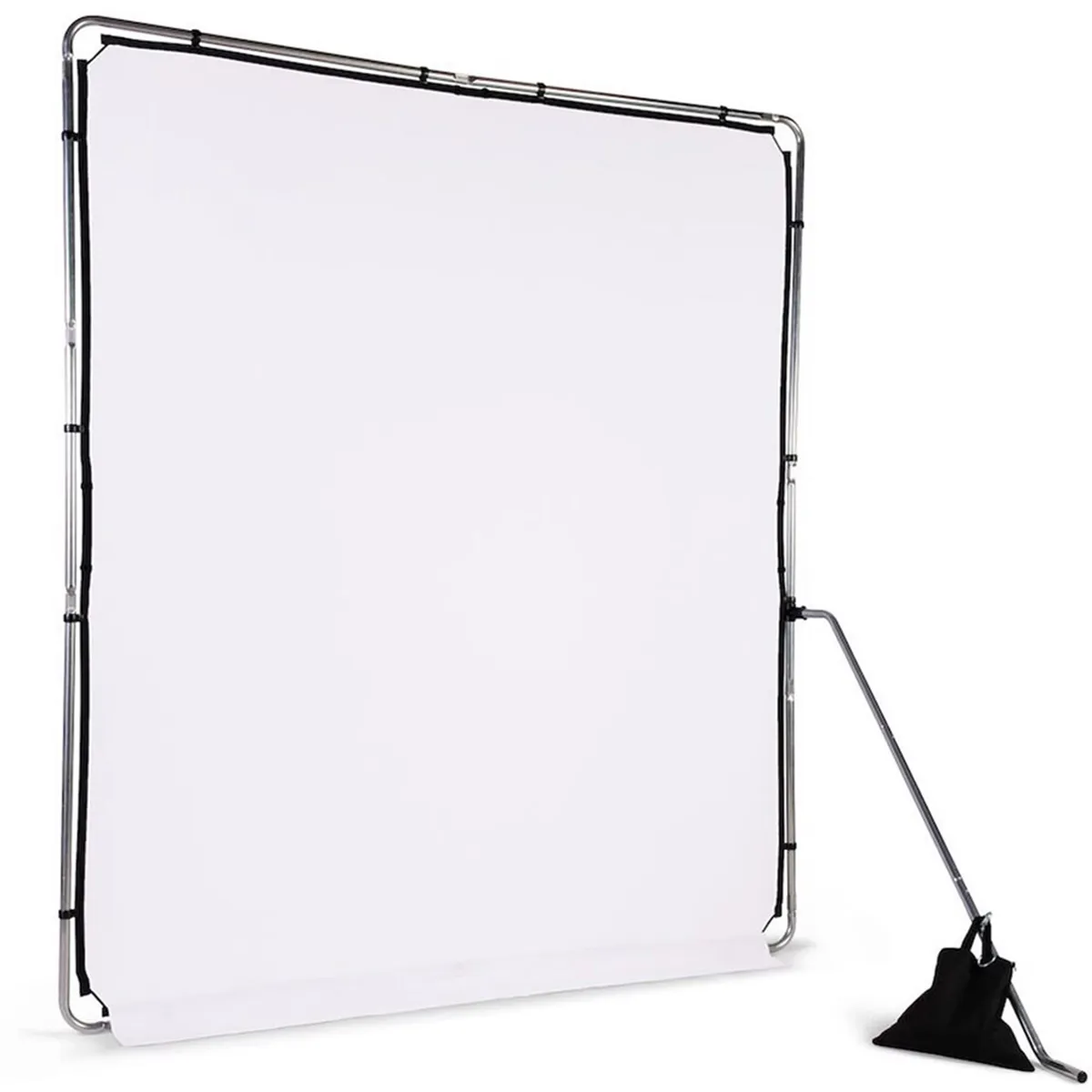
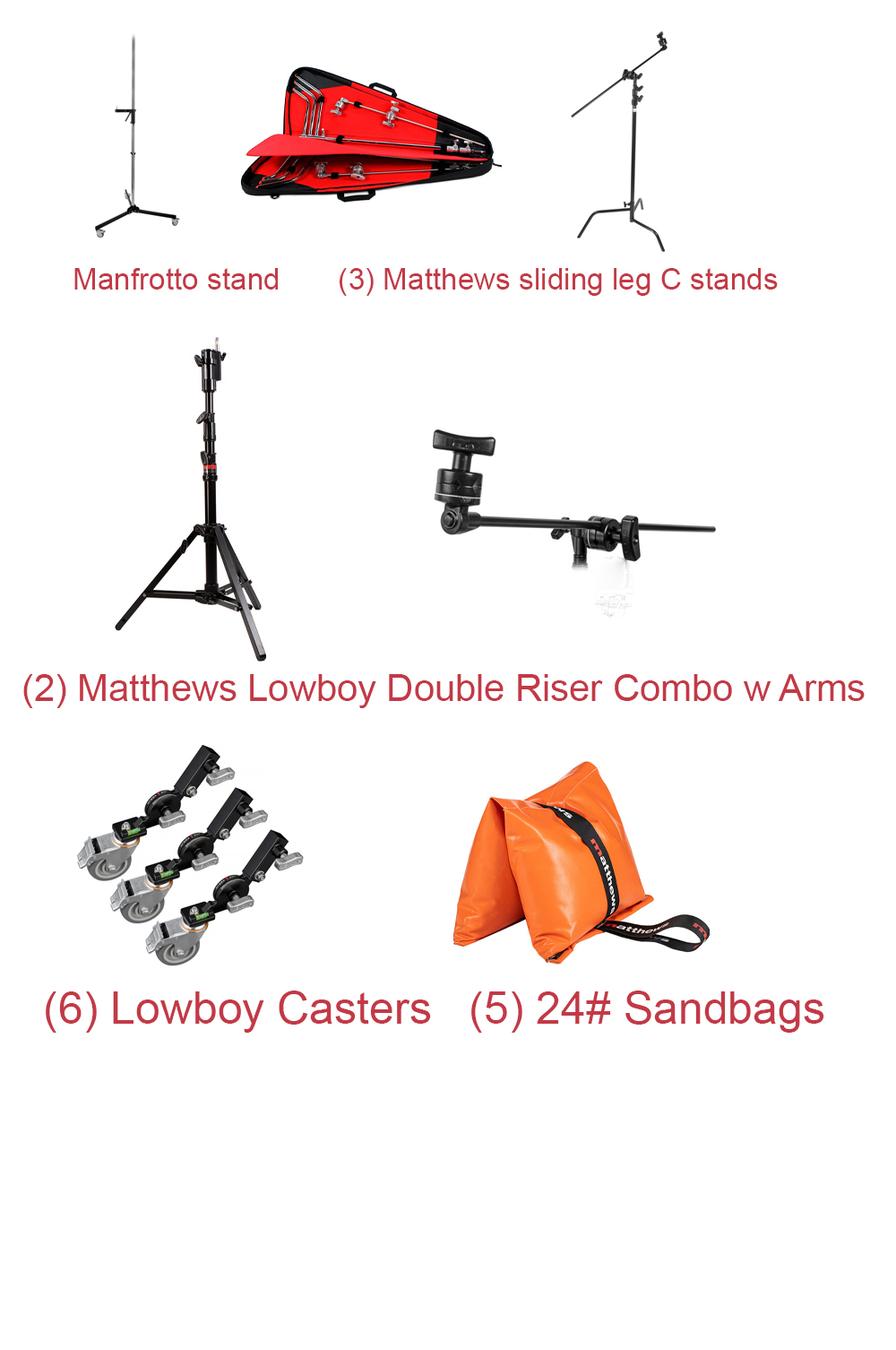
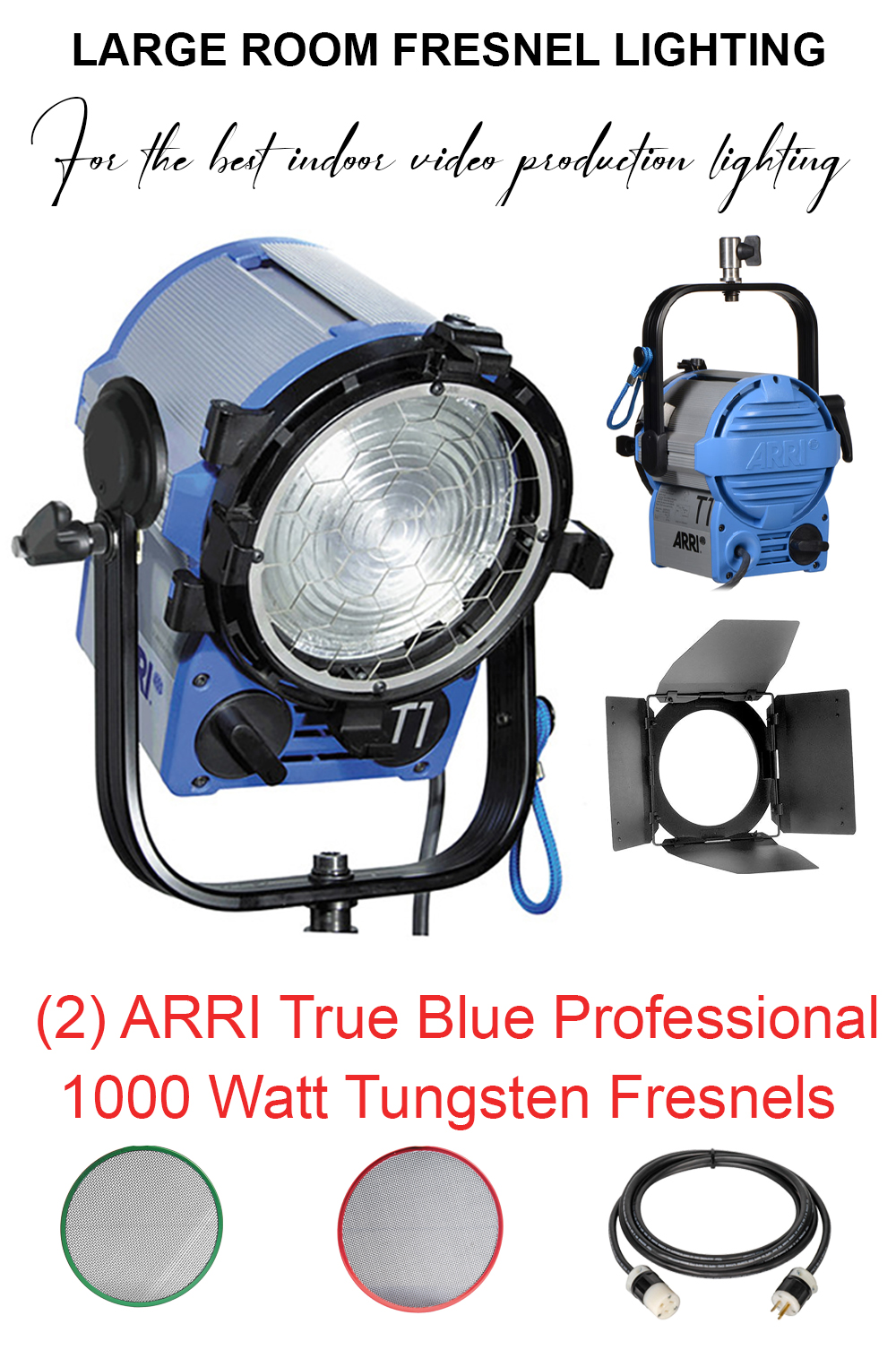
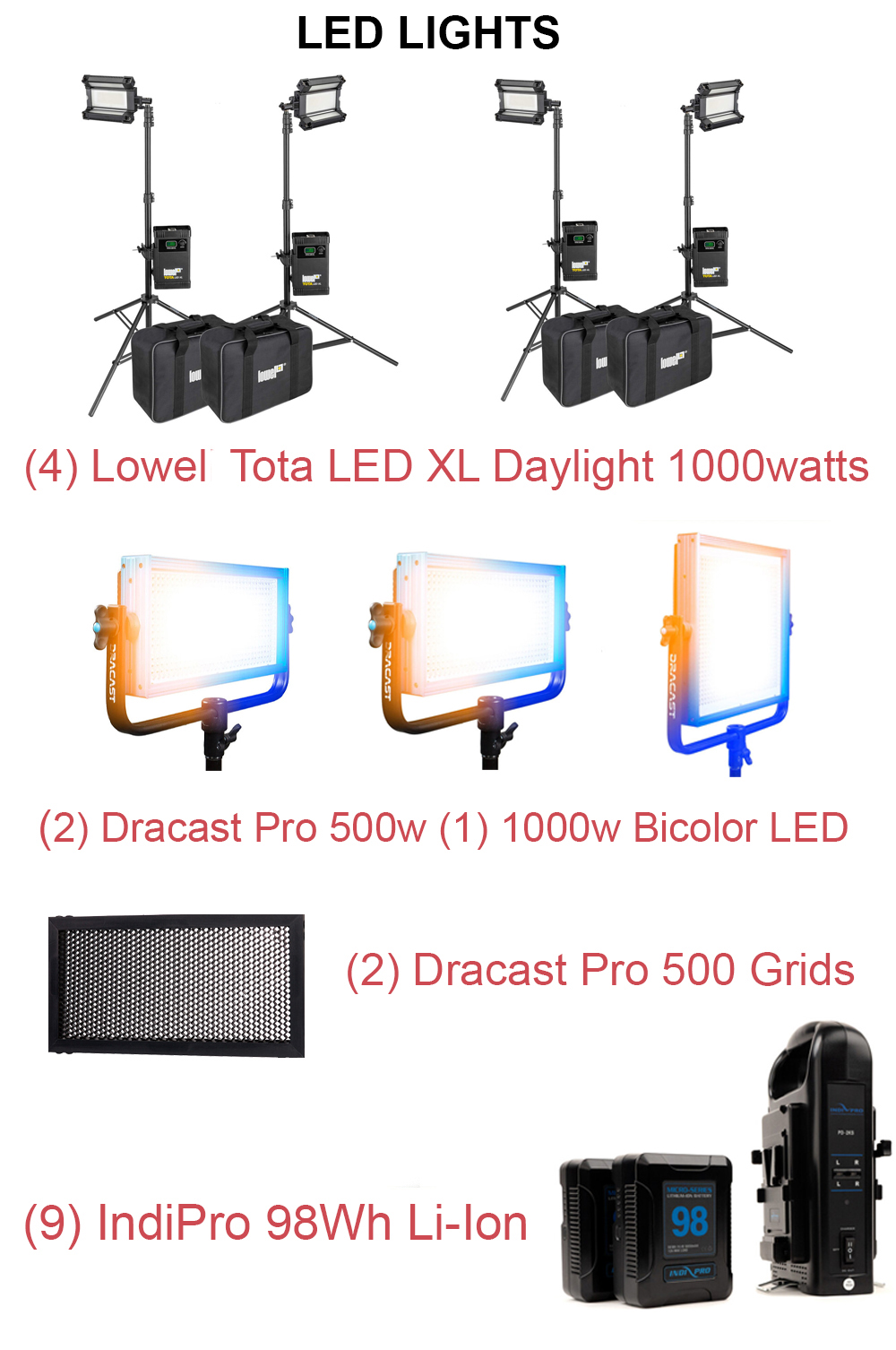
- The “Studio” With Zero Light-Control Tools: Anyone can rent an empty room and call it a studio, yet there is not a single reflector, scrim, flag, or proper light modifier anywhere to be seen. Real studio work requires shaping and controlling light—using scrims to soften harsh highlights and reflectors to cleanly fill shadows. Without the right tools on set, you get flat, harsh, amateur lighting every time.
- The “Prime Lens” Lie: They lecture clients about needing prime lenses for maximum sharpness, yet the single behind-the-scenes photo of them holding a camera shows a zoom lens mounted right on the body. If their own marketing contradicts their sales pitch right on the page, why trust them with your portfolio?
- Blurry Portraits Passed Off as “Art”: Look at the main female portrait featured on the site. Instead of crisp, magazine-ready clarity, the entire image is a soft, unfocused blur. Beginners constantly confuse missed focus and overly shallow blur with professional depth of field because they don’t know how to control their aperture, lighting, or focus point.
- Poster-Sized Prints Require Real Technique: You cannot blow a soft, out-of-focus image up to poster size just because it came out of a mirrorless camera. Large-format print quality comes from real studio strobes, proper light modifiers, tack-sharp focus on the eyes, and clean post-production—not camera specs copied off a box.
Put the Work to the Test
If a photographer wants to talk big about studio quality and model portfolios, let’s see the proof:
- Show the Original & Full Set: Pull up the unedited original of that blurred blonde portrait—and show her entire photo set, not just one heavily cropped hero image. Real consistency shows up across an entire shoot.
- Show the Agency Success Stories: Tell us which models actually signed with legitimate agencies from your work, and exactly how long it took them to get there.
- Launching Careers or Killing Them? Ask yourself honestly: are the images on that site leading the charge for a model’s career, or are soft, poorly lit photos destroying a potential career before it even starts?
When you are hiring a portrait or modeling photographer, ignore the studio hype and tech jargon. Demand to see full sets, real agency results, and tack-sharp work—because your portfolio is your career.
Seeing a photographer brag about a large natural-light studio while showing zero light diffusers, scrims, or reflectors tells you everything you need to know—any real pro proudly shows off the tools they use to shape light. Anyone insinuating they can produce high-end, agency-ready images without proper lighting control is misleading you, and a page full of five-star reviews from casual clients has nothing to do with getting signed by a legitimate modeling agency. With over 60 years behind the camera, Framed Boston has built a reputation as a premier glamour model and career-training authority in the U.S.—and we have zero patience for amateurs cutting corners at the expense of a model’s career.
Want to see real studio lighting, full portfolio sets, and proven model career development? Explore the Framed Boston Portraits Portfolio, read about our Model Career Training, or contact us to book your session.